
By Randy Vogt, Director of Public Relations, Eastern New York Youth Soccer Association
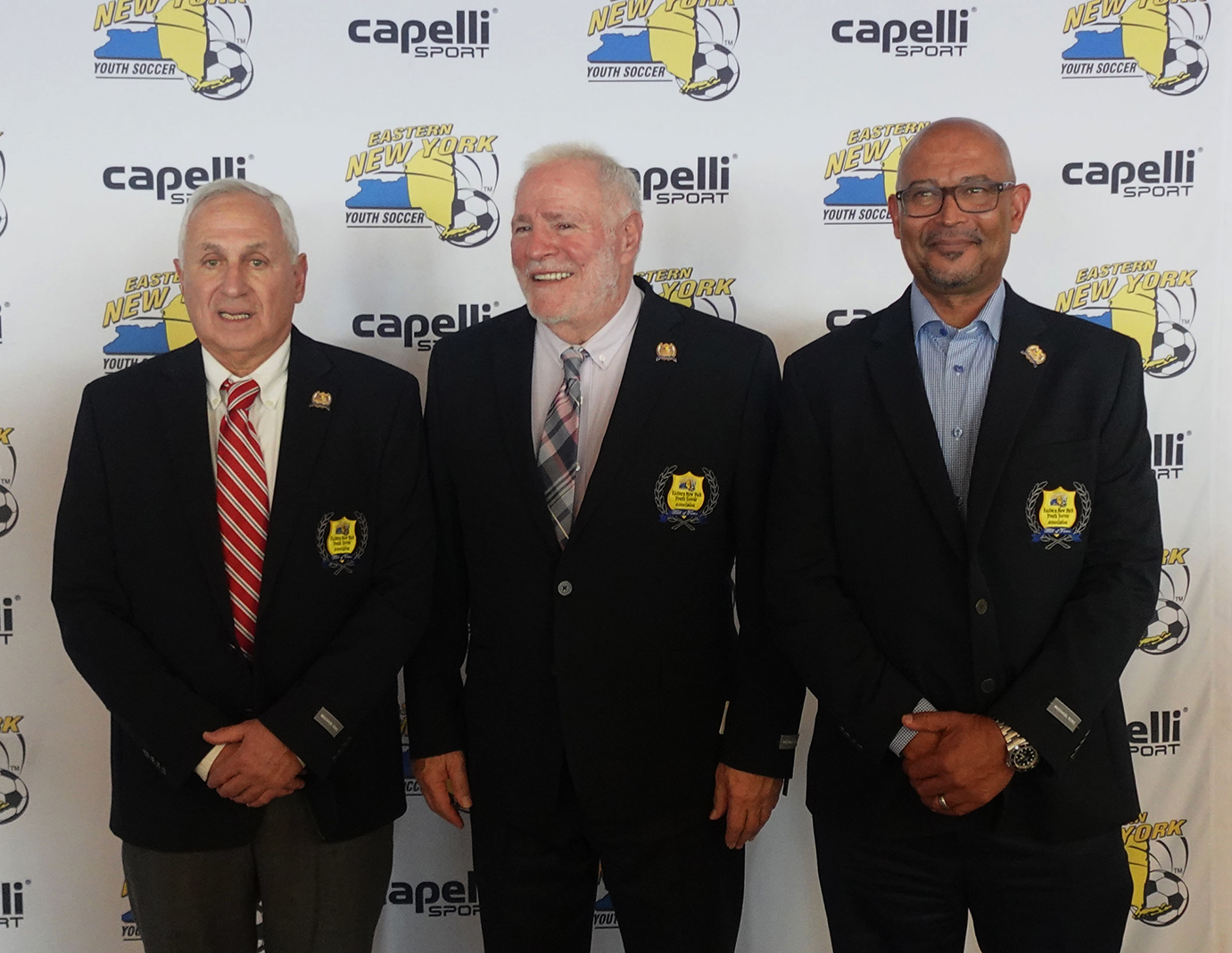
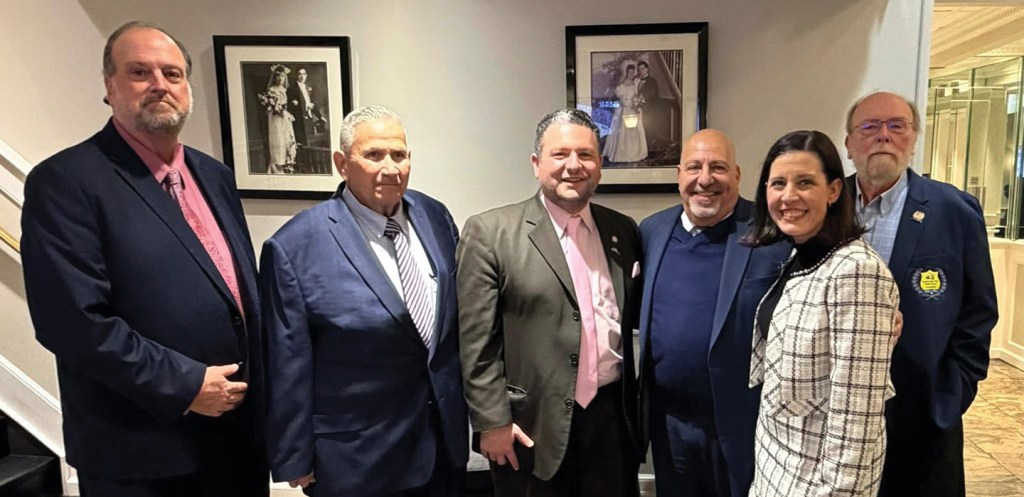
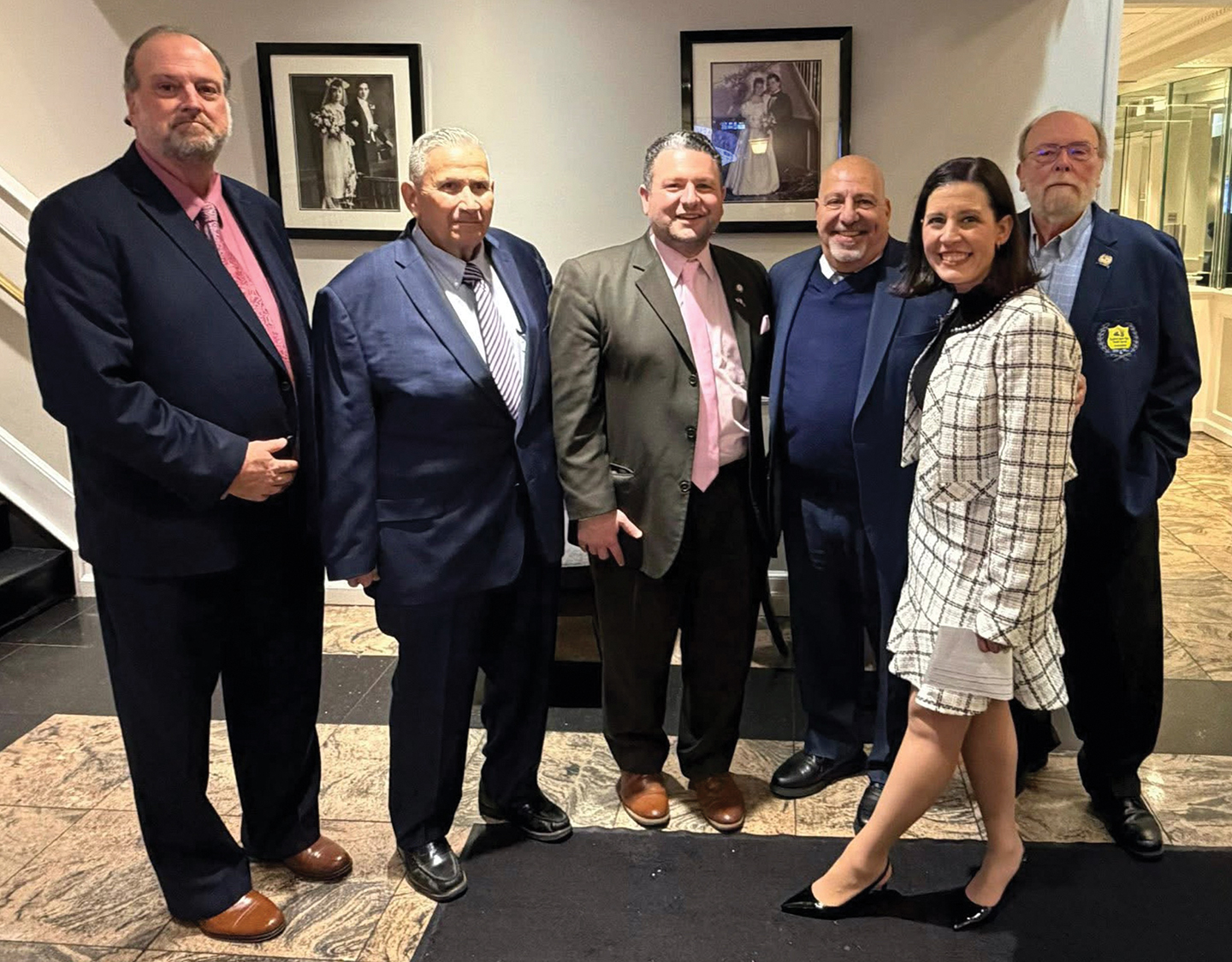
April 6, 2026-The Staten Island Youth Soccer League (SIYSL), the southernmost league in the Eastern New York Youth Soccer Association (ENYYSA), celebrated three new Hall of Famers on March 5 at LiGreci’s The Staaten.
Mike Segreto coached soccer and softball teams at St. Joseph Hill Academy from 1995 to 2013. Mike also served as the Assistant Director of St Joseph Hill Academy from 2004 to 2013. In 2009, Mike was appointed Trustee to the SIYSL Board and began serving as the SIYSL Representative to ENYYSA. The following year, Mike was elected to SIYSL Board as a Vice President and served until 2021, volunteering as Chairperson of numerous committees including Games, Coaches Training and Education, TOPSoccer, Senior Night, Friendship Games, Field Committee, Disciplinary Committee as well as the Hall of Fame. Mike, along with Rob Libertelli, Rich Nellis, Anthony Pisciottano and Bill Smith, established the Staten Island SC travel program which operates as the lone travel organization that is a member club of SIYSL.
In 2011, Mike was appointed ENYYSA Trustee and was then elected as a Vice President and currently holds that same position. Mike currently is Chairperson of the Competition (State Cup) and Disciplinary committees.
Peter Senise has been a well-respected soccer coach on Staten Island for the past four decades. He has served as the St. Joseph By the Sea boys varsity assistant coach since 2003, winning two New York City high school championship titles along the way. As assistant coach for the Staten Island United Knights from 2006 to 2014, they won two Pocono Cups and the Boys-Under-15 State Cup. Peter also served as assistant coach for Silver Lake Korabi and the Silver Lake Spirits in the 1990’s and both teams won the Cosmopolitan Junior Soccer League (CJSL) division championship. From 1988 to ’94, Peter volunteered as co-coach of the St. John Neumann Thundercats, who won five A Division titles.
John Wolyniec, already an Eastern New York Hall of Famer, is one of the best soccer players to ever come out of Staten Island. He began playing with SIYSL in the St. Clare Soccer Club and then moved on to Silver Lake, then Monsignor Farrell High School and Fordham University. John scored 62 goals in 267 MLS games for the MetroStars, Chicago Fire, Columbus Crew and Los Angeles Galaxy. John then became a coach with the Red Bulls Academy, leading Red Bulls II to the regular season and playoff championship in 2016. Since 2022, John has served as Technical Director of the San Jose Earthquakes.
With over 100,000 youth soccer players––both boys and girls––and more than 25,000 volunteers, the non-profit Eastern New York Youth Soccer Association (ENYYSA) stretches from Montauk Point, Long Island to the Canadian border, east of Route 81. ENYYSA encourages the healthy development of youth players, coaches, referees and administrators. All levels of soccer are offered––from intramural, travel team and premier players as well as Children With Special Needs. No child who wants to play soccer is turned away. ENYYSA is a proud member of US Soccer and US Youth Soccer. For more information, please log on to http://www.enysoccer.com/